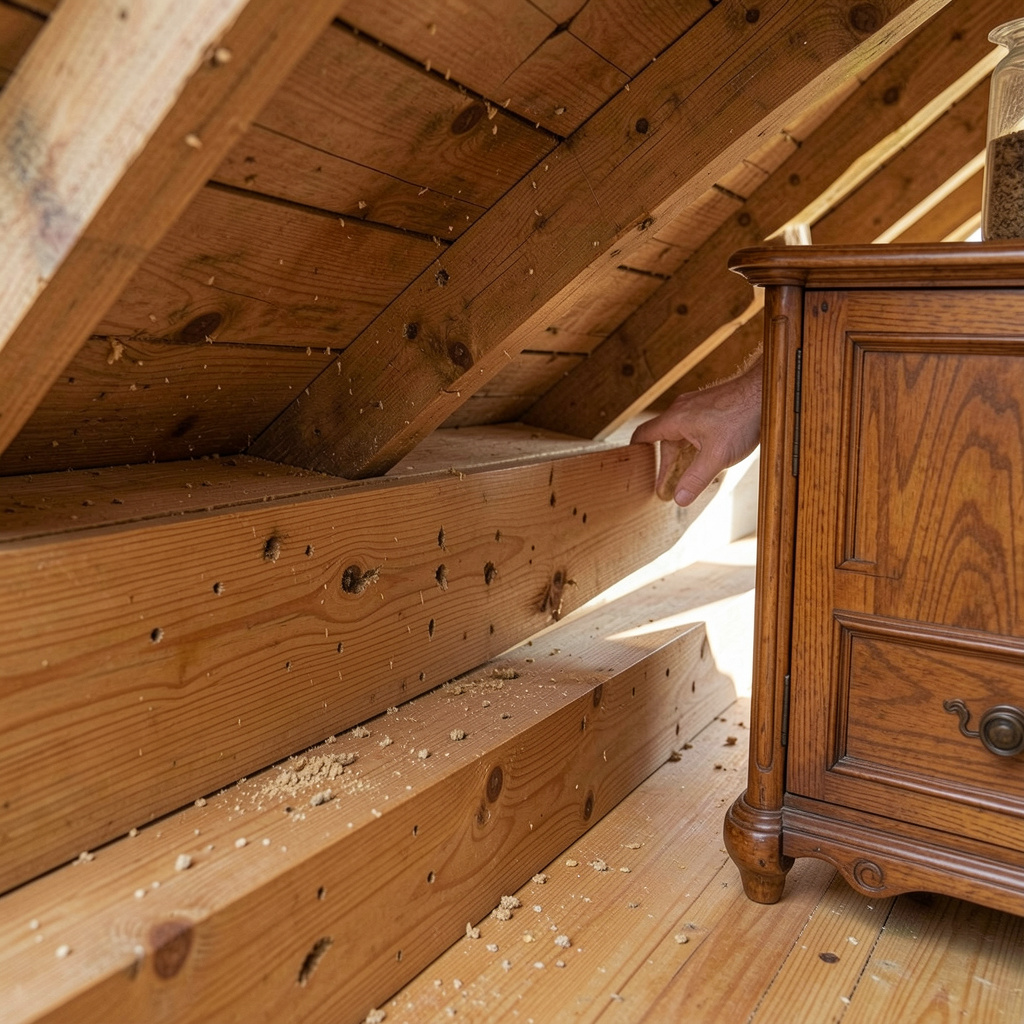
Woodworm infestation is one of the most common threats to wooden homes, furniture, flooring, roof beams, and structural timber. Although the name sounds alarming, many homeowners do not notice woodworm damage until tiny holes, powdery dust, or weakened wood begin to appear. Because woodworm larvae live hidden inside timber, damage can quietly continue for months or even years before becoming obvious.
The good news is that woodworm can often be treated successfully, especially when detected early. Understanding what woodworm is, how infestation develops, and which treatment methods work best can help homeowners protect timber and avoid expensive structural repairs.
Many homeowners researching timber care through shashel.eu/ understand that early detection and proper prevention are the keys to long-term wood protection.
In this complete guide, we will explain everything homeowners need to know about woodworm removal, warning signs, treatment options, and prevention tips.
What Is Woodworm?
Despite the name:
Woodworm is not actually a worm
Woodworm refers to the larvae of wood-boring beetles.
How Woodworm Develops
Adult beetles lay eggs in:
- Cracks in wood
- Untreated timber
After hatching:
- Larvae tunnel through wood
Eventually:
- Adult beetles emerge through tiny holes.
Woodworm commonly affects:
- Furniture
- Roof beams
- Floorboards
- Ceiling joists
Because larvae stay hidden:
Damage often develops quietly
Signs of Woodworm Infestation
Recognizing woodworm early helps prevent major repairs.
Tiny Holes in Wood
Small round holes often suggest:
- Beetle activity
Powdery Wood Dust
Fine dust near timber may indicate:
- Active feeding
Weak or Soft Timber
Damaged wood may feel:
- Fragile
- Weak
Beetles Indoors
Repeated sightings may suggest infestation.
Hollow Wood Sounds
Tapping timber may reveal internal damage.
Never ignore warning signs.
Many homeowners exploring timber care through shashel.eu understand that small symptoms often reveal hidden wood damage.
Where Woodworm Commonly Appears
Woodworm often targets hidden timber.
Common Areas Include
- Roof beams
- Floorboards
- Furniture
- Attics
- Ceiling supports
Why Hidden Spaces Matter
Infestation may remain unnoticed for years.
Routine inspection improves prevention.
Why Woodworm Happens
Woodworm infestation usually develops under favorable conditions.
Common Causes Include
- Damp timber
- Poor ventilation
- Aging wood
Why Moisture Matters
Woodworm prefers wood that is:
- Damp
- Soft
Dry timber naturally discourages infestation.
Healthy environments matter.
Step 1: Confirm Active Infestation
Before treatment:
Make sure infestation is active
Signs of Active Woodworm
Look for:
- Fresh powdery dust
- New holes appearing
- Beetle activity
Why This Matters
Old holes may remain visible for years.
Not every hole means active infestation.
Correct diagnosis improves treatment success.
Step 2: Inspect the Entire Property
Woodworm often spreads quietly.
Areas Worth Checking
Inspect:
- Roof beams
- Floor joists
- Furniture
- Hidden timber
Why Full Inspection Matters
Visible damage may only show part of the problem.
Checking nearby timber improves outcomes.
Step 3: Fix Moisture Problems
Moisture control is essential.
Common Moisture Sources
Inspect for:
- Roof leaks
- Pipe leaks
- Condensation
Why Dry Wood Matters
Dry timber naturally becomes:
- Less attractive to woodworm
Moisture control lowers reinfestation risk.
Many homeowners researching timber care through shashel.eu know that fixing moisture problems is one of the best ways to prevent woodworm permanently.
Step 4: Improve Ventilation
Poor airflow increases humidity.
Why Ventilation Helps
Healthy airflow helps:
- Reduce dampness
- Lower infestation risk
High-Risk Areas Include
- Attics
- Roof spaces
- Crawl spaces
Healthy airflow protects timber.
Step 5: Choose the Right Treatment Method
Several woodworm treatment methods exist.
Heat Treatment
Controlled heat helps eliminate:
- Larvae
- Eggs
Microwave Treatment
Microwave energy heats moisture inside wood and insects.
This helps destroy:
- Hidden infestation
Why Homeowners Choose Microwave Treatment
Benefits may include:
- Deep penetration
- Reduced chemical exposure
Professional guidance improves results.
Step 6: Repair Wood Damage
Treatment should be followed by repair if necessary.
Mild Damage
Minor issues may need:
- Surface repairs
Severe Damage
Structural timber may require:
- Reinforcement
- Replacement
Safety matters.
Never ignore weakened wood.
Step 7: Inspect Furniture Carefully
Furniture often hides infestation.
Warning Signs Include
- Tiny holes
- Powdery dust
- Loose joints
Why Furniture Matters
Woodworm may spread between wooden items.
Routine checks improve prevention.
Step 8: Prevent Future Infestation
Long-term prevention matters.
Helpful Prevention Habits Include
- Keeping timber dry
- Improving airflow
- Fixing leaks quickly
Inspect Regularly
Routine checks catch problems early.
Healthy timber naturally lasts longer.
Consistency matters.
Common Mistakes Homeowners Make
Ignoring Small Signs
Tiny holes often indicate larger hidden problems.
Treating Only Visible Areas
Hidden infestation may remain active.
Ignoring Moisture
Damp wood attracts woodworm.
Delaying Action
Damage spreads quietly over time.
Fast treatment protects timber.
When to Seek Professional Help
Professional help is recommended if:
- Structural beams weaken
- Infestation spreads
- Hidden damage becomes severe
Experts may assess:
- Timber condition
- Treatment needs
Professional advice improves outcomes.
Long-Term Benefits of Proper Woodworm Removal
Proper treatment offers major advantages.
Benefits Include
- Lower repair costs
- Better structural safety
- Longer timber lifespan
Healthy wood protects the entire property.
Prevention saves money.
Conclusion
Woodworm removal begins with early detection, proper treatment, moisture control, and long-term prevention. By understanding warning signs such as tiny holes, powdery dust, weak timber, and beetle activity, homeowners can stop infestation before major structural damage develops.
Improving ventilation, fixing leaks, inspecting hidden spaces, and choosing modern treatment options can significantly improve long-term results.